history
The History of the AeroPress: From Flying Rings to Coffee Press
By Home Espresso Bar Editorial Team · November 1, 2026

The AeroPress is more than a coffee gadget; it is the product of an engineer-inventor who turned a love of flying toys and aerodynamics into a solution for a very specific brewing problem. By the end of this article you will know who created the AeroPress and what motivated the design, how the device extracts coffee using a sealed-chamber pressure system, the lineage of Adler’s earlier inventions, why the body material has been updated several times, how a modest three-person contest in Oslo grew into a global championship.
Key takeaways
- Alan Adler, an electrical engineer who taught himself aerodynamics, invented the AeroPress to brew a single cup quickly and cleanly after experimenting in his Palo Alto garage in 2003.
- The device works like a large syringe: a cylindrical chamber, silicone-sealed plunger and screw-on cap create a pressurized environment that extracts coffee at about 175 degrees F.
- According to AeroPress, more than 30 prototypes were built over two years before the AeroPress debuted at CoffeeFest Seattle in November 2005.
- Material revisions moved the body from polycarbonate (original) to polypropylene in 2014 after health concerns surfaced in 2009.
- The first World AeroPress Championship took place in Oslo in 2008 with three competitors, and by 2018 the championship drew 3,157 competitors from 61 countries and 68,265 spectators.
- By 2023 the championship network had grown to over 5,000 competitors across 178 national and regional events.
Who invented the AeroPress and why?
Alan Adler began inventing at age 13 and became an electrical engineer who taught himself aerodynamics to design sailboats. Sprudge notes that his sailing hobby led him into aerodynamics and flying toys such as rings, discs and boomerangs, and his Aerobie flying ring earned a Guinness World Record. AeroPress says Adler founded Superflight, Inc. in 1984 after the Aerobie ring earned that record, and the firm released 18 products over two decades before being renamed Aerobie, Inc. in 2005.
By 2003 Adler was experimenting with coffee brewing in his Palo Alto garage because his household already owned a pod machine, an automatic drip machine and a Chemex. The drip machine produced unsatisfying single cups, while the Chemex pour-over took four to five minutes to drain. A Chemex instruction sheet hinted that lower brewing temperatures could improve flavor, but pushing the grounds with a spoon proved ineffective. Adler set out to create a fast, clean, single-cup brewer that would reduce bitterness by shortening brew time.


How does an AeroPress work mechanically?
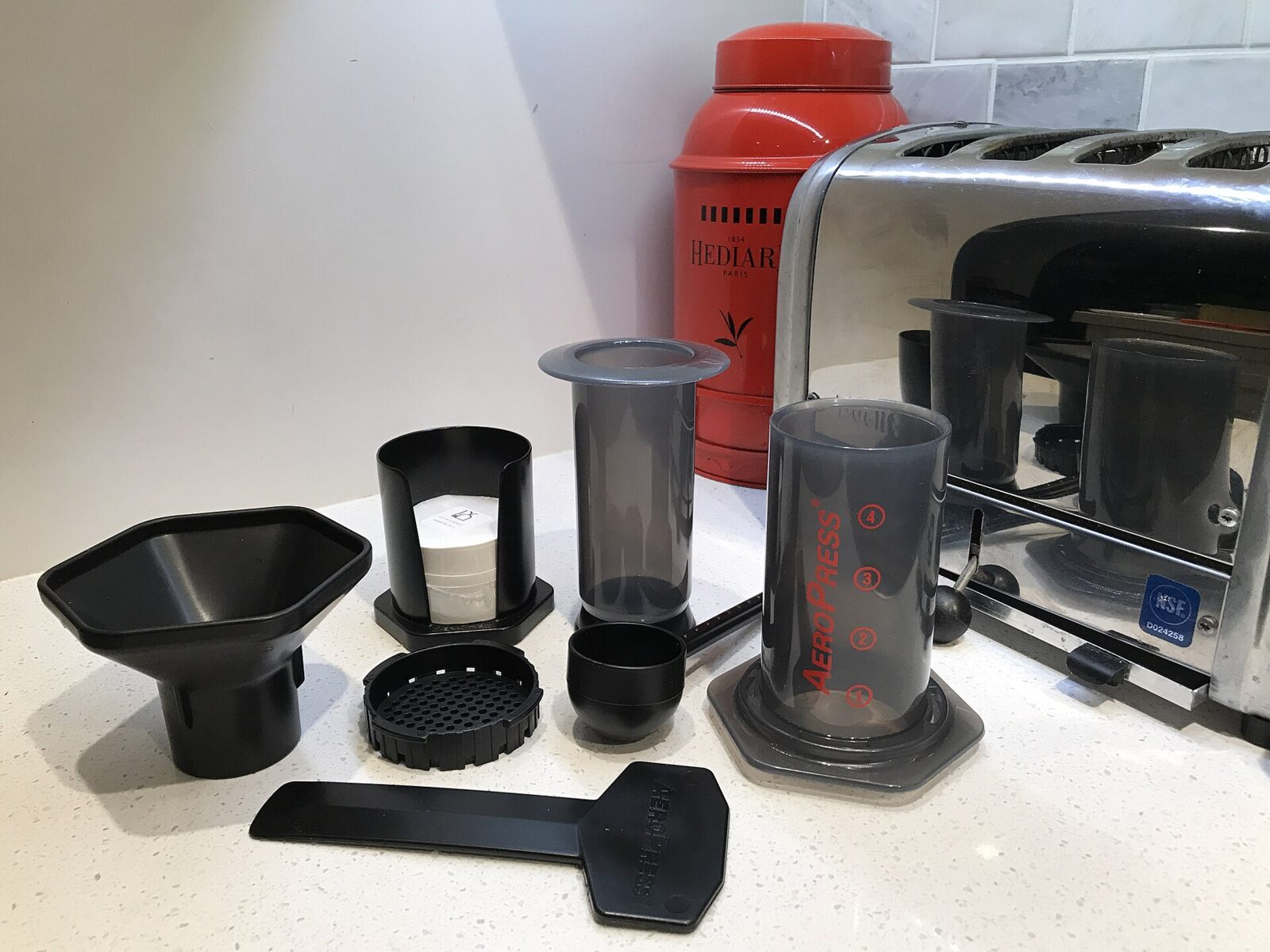
The AeroPress consists of a cylindrical chamber topped with a silicone-sealed plunger and a screw-on cap that holds either a paper or mesh filter. The design is often compared to a large syringe, with the plunger forcing water through the coffee grounds under pressure. When hot water, optimally around 175 degrees F, a temperature Adler discovered worked best in his first prototype, meets the coffee, the sealed chamber allows the user’s push to generate enough pressure to accelerate extraction.
This pressurised environment mirrors espresso technology, but replaces electric pumps and levers with human force. Because the water is forced through the grounds quickly, the brew finishes rapidly, far faster than a traditional French press, yet it uses a lower recommended water temperature, which helps avoid over-extraction and bitterness.
What did Alan Adler make before the AeroPress?
Before turning to coffee, Adler’s most famous invention was the Aerobie flying ring, which earned a Guinness World Record; he founded Superflight, Inc. in 1984, and the firm released 18 products over two decades before being renamed Aerobie, Inc. in 2005.


Why did the AeroPress change materials over the years?
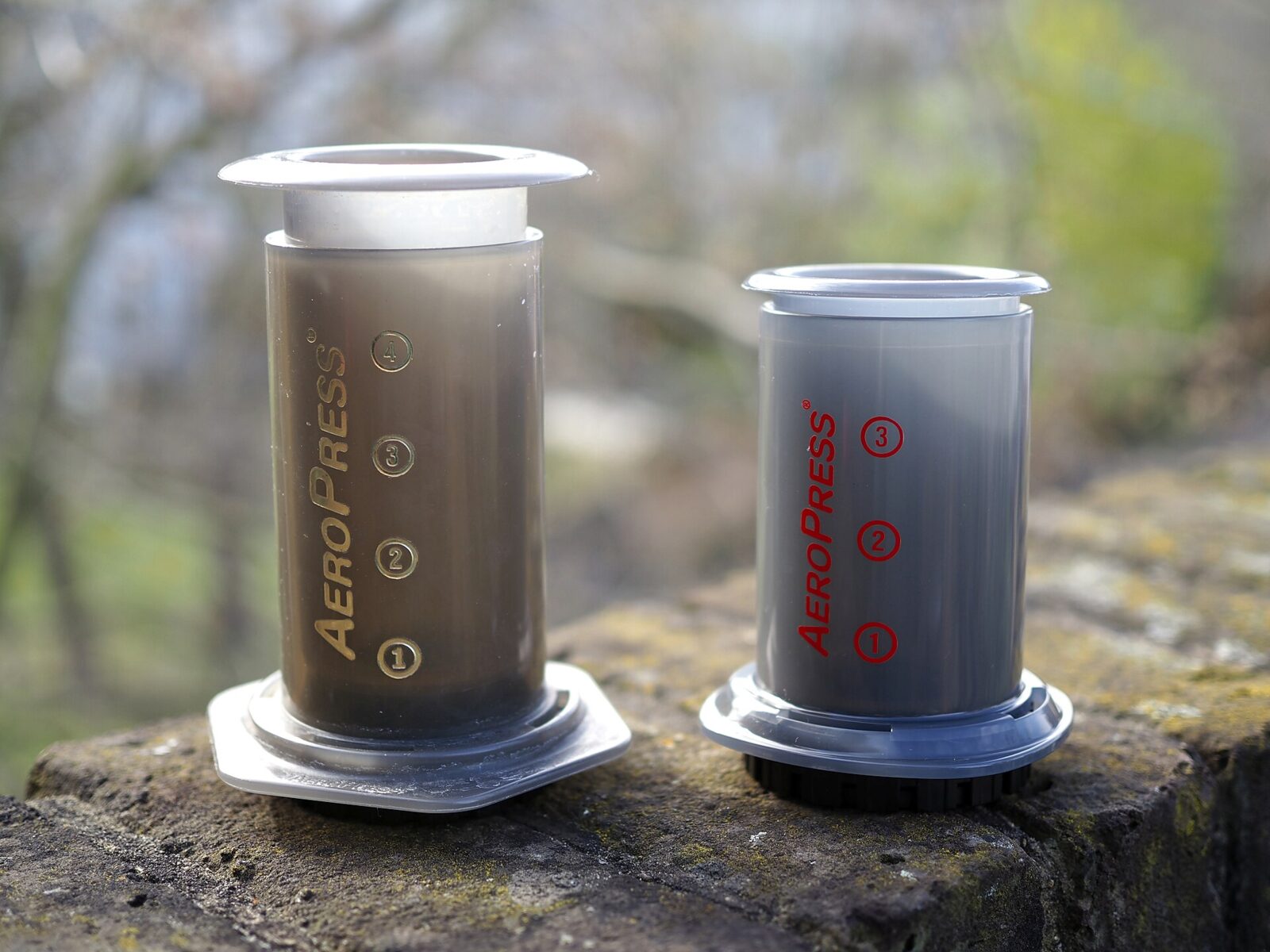
The original AeroPress body was made from polycarbonate plastic. In 2009 the company moved away from that material because of concerns about BPA, a chemical some consumers prefer to avoid. A cosmetic update added a smoky grey tint in 2010, but the substantive material shift occurred in 2014 when the body was switched to polypropylene, which maintains durability while addressing health worries. These changes illustrate Adler’s willingness to adapt the design to evolving safety standards without altering the core brewing mechanism.

How did the World AeroPress Championship start?
The inaugural World AeroPress Championship was held in Oslo in 2008 and featured only three competitors. The event was organized by specialty coffee figures Tim Wendelboe and Tim Varney, not by Adler himself; Adler later admitted he never imagined a competition built around his brewer.
From that modest beginning the championship exploded. By 2018 the championship drew 3,157 competitors from 61 countries and 68,265 spectators. AeroPress says it had over 5,000 competitors across 178 national and regional events by 2023. The 2020 championship was canceled due to the COVID-19 pandemic, but the competition resumed in 2021.
When was the AeroPress first unveiled?
According to AeroPress, after building more than 30 prototypes over two years, Adler unveiled the AeroPress at CoffeeFest Seattle in November 2005.
Closing thoughts
The AeroPress exemplifies how an engineer’s curiosity, rooted in sailing, aerodynamics and toy design, can solve a concrete everyday problem. Adler’s iterative prototyping, attention to material safety, and openness to community-driven events have turned a garage invention into a globally recognized brewing method and a competitive sport. Understanding the device’s mechanical simplicity, its material evolution, and the cultural momentum generated by the World Championship provides a fuller appreciation of its impact.